Diet

+91 7030624994

info@dietspotlight.in

+91 7030624994 , +91 9822194141

info@dietspotlight.in

Categories
Blog

Nutritional Recommendations for the Winter Season

Winter Season:

Winter brings colder temperatures, which often lead to cravings for comfort foods. To stay healthy and energized during the season, focus on these healthy eating habits:

1)Boost Immunity with Nutrient-Rich Foods

 
fruits

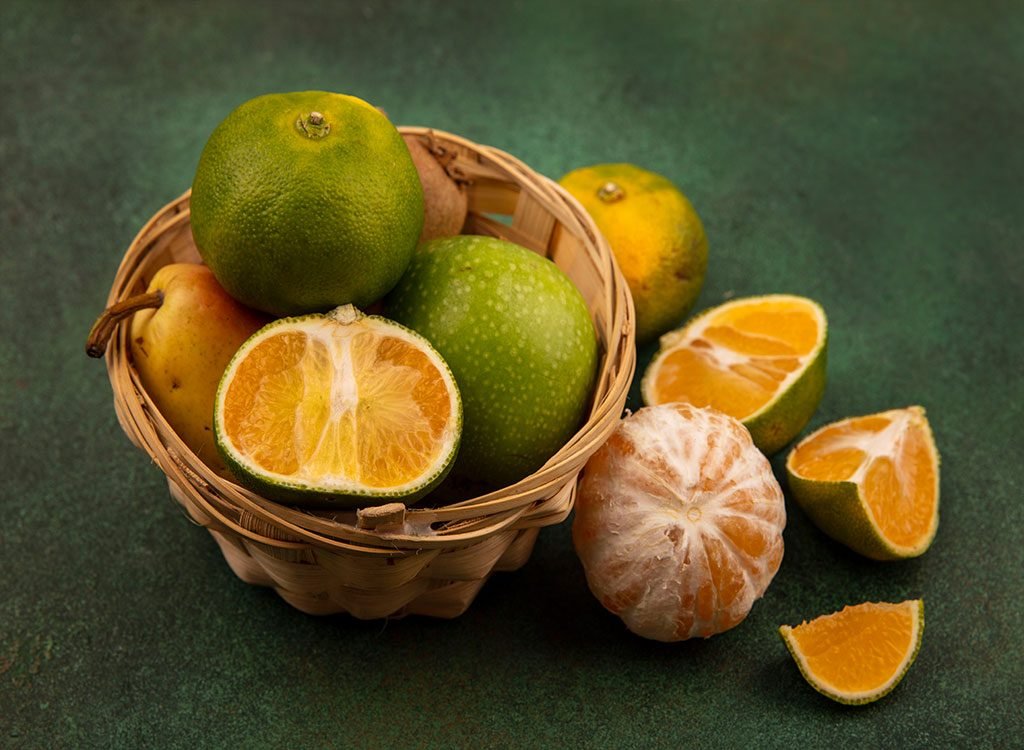
Citrus Fruits:

Oranges, grapefruits, lemons, and limes are rich in vitamin C, which strengthens immunity.

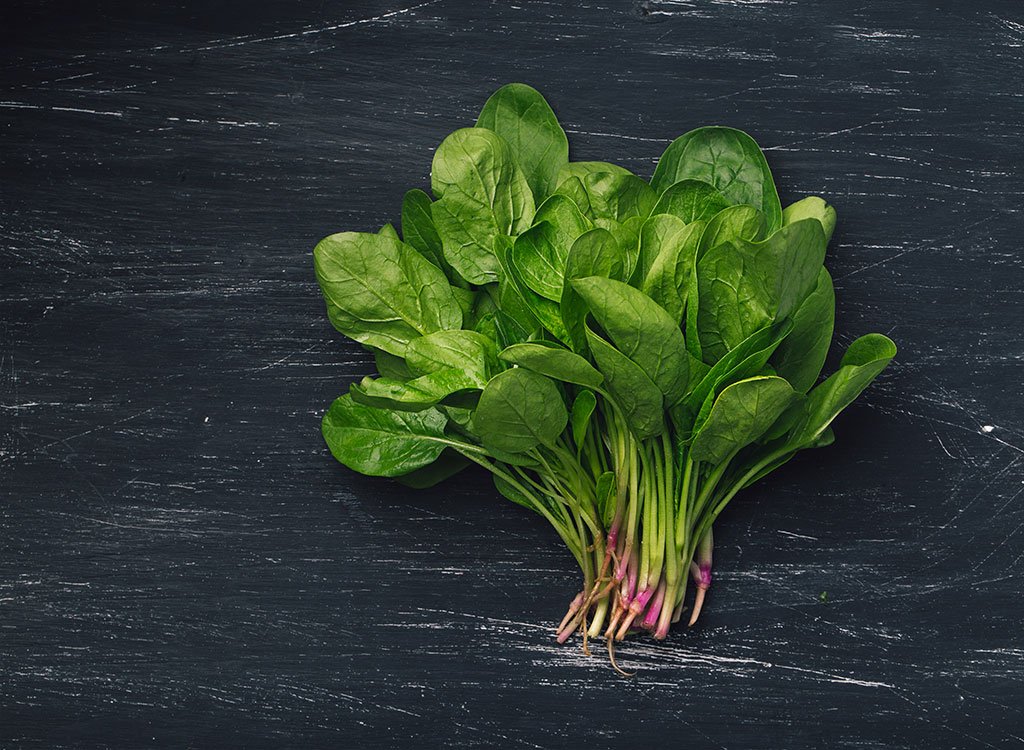
Leafy Greens:

Kale, spinach, and mustard greens are in season and packed with vitamins A and C.


lasun

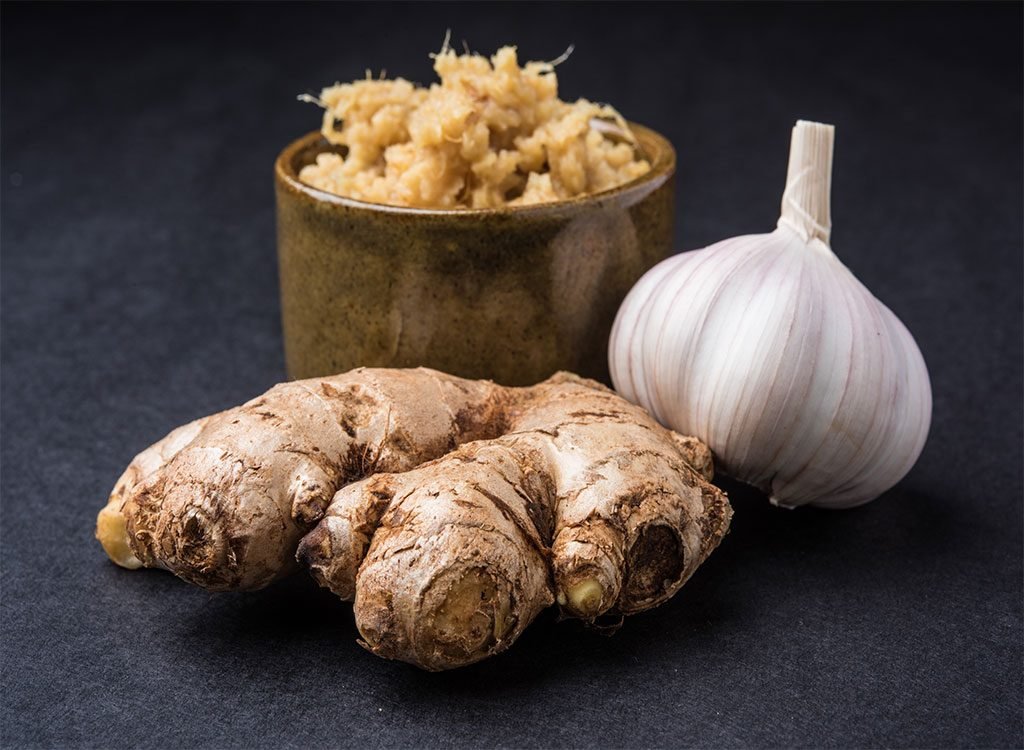
Garlic & Ginger:

Both have antimicrobial and anti-inflammatory properties to ward off colds and flu.

2)Stay Hydrated

mint

Stay Hydrated

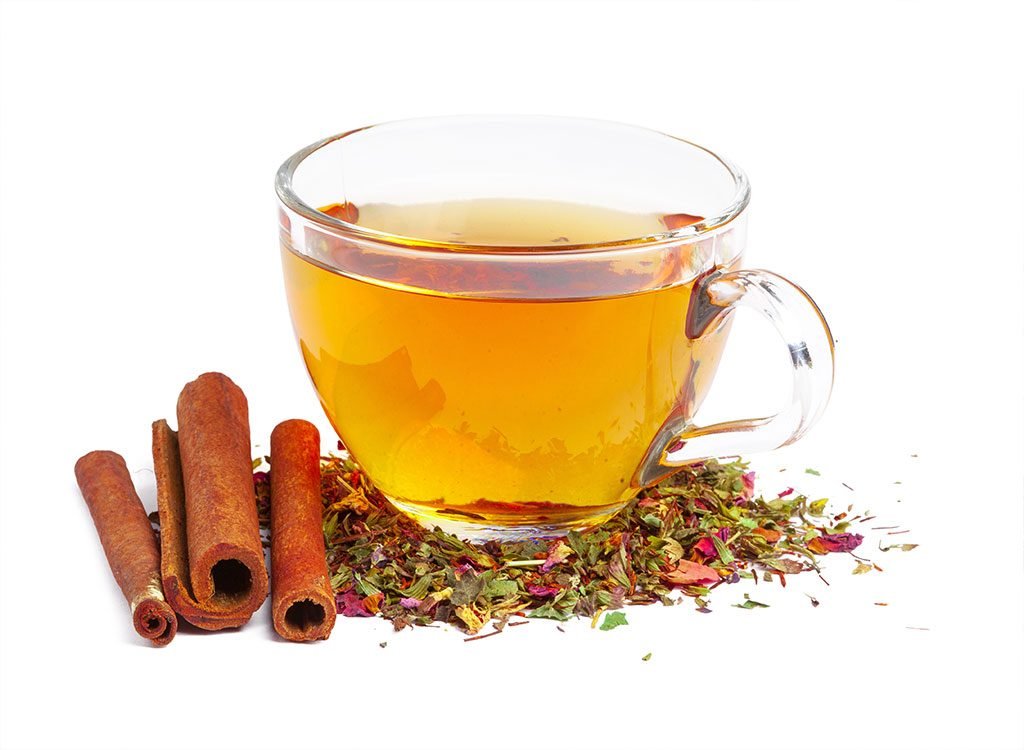
Cold weather often reduces the sensation of thirst, so consciously drink water or herbal teas. Warm drinks like green tea or lemon water can be soothing and hydrating.


3)Eat Seasonal Vegetables

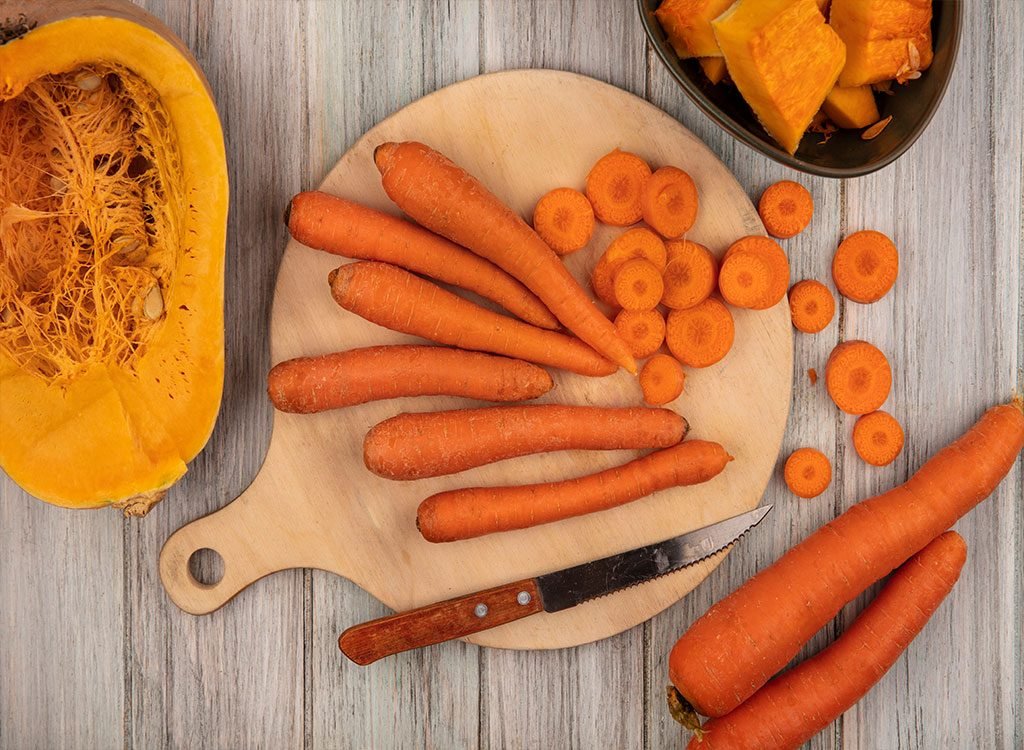
carrot

3. Eat Seasonal Vegetables

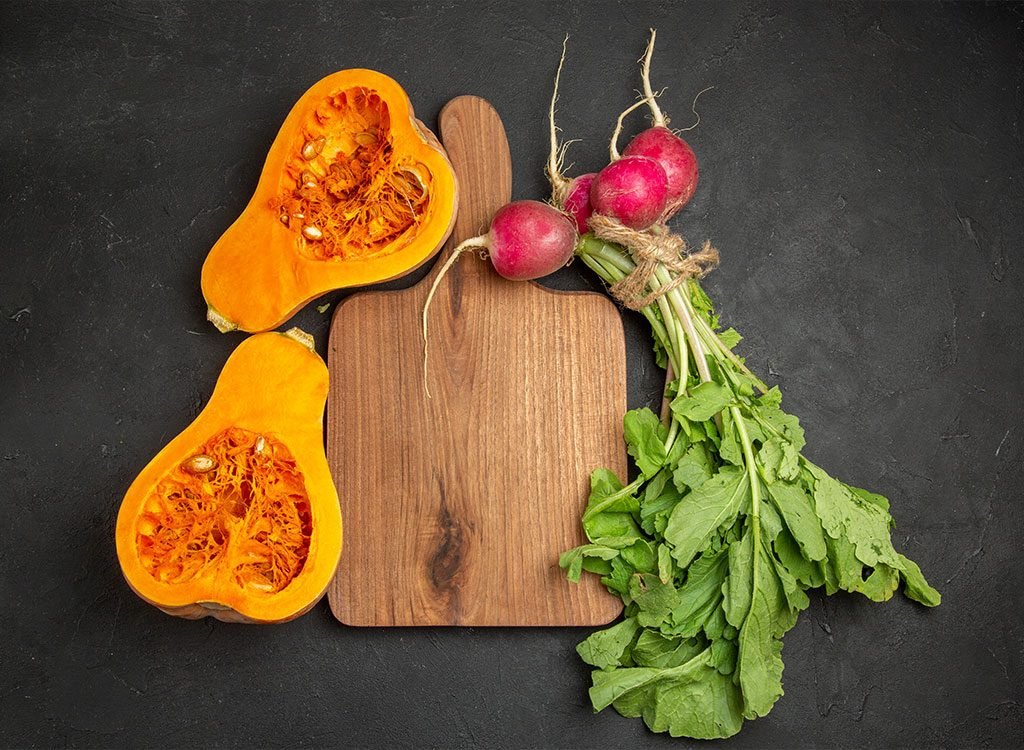
Focus on root vegetables like carrots, sweet potatoes, turnips, and radishes, which are hearty and full of fiber. Winter squash varieties like pumpkin and butternut squash are rich in vitamins and antioxidants.

4)Include Healthy Fats

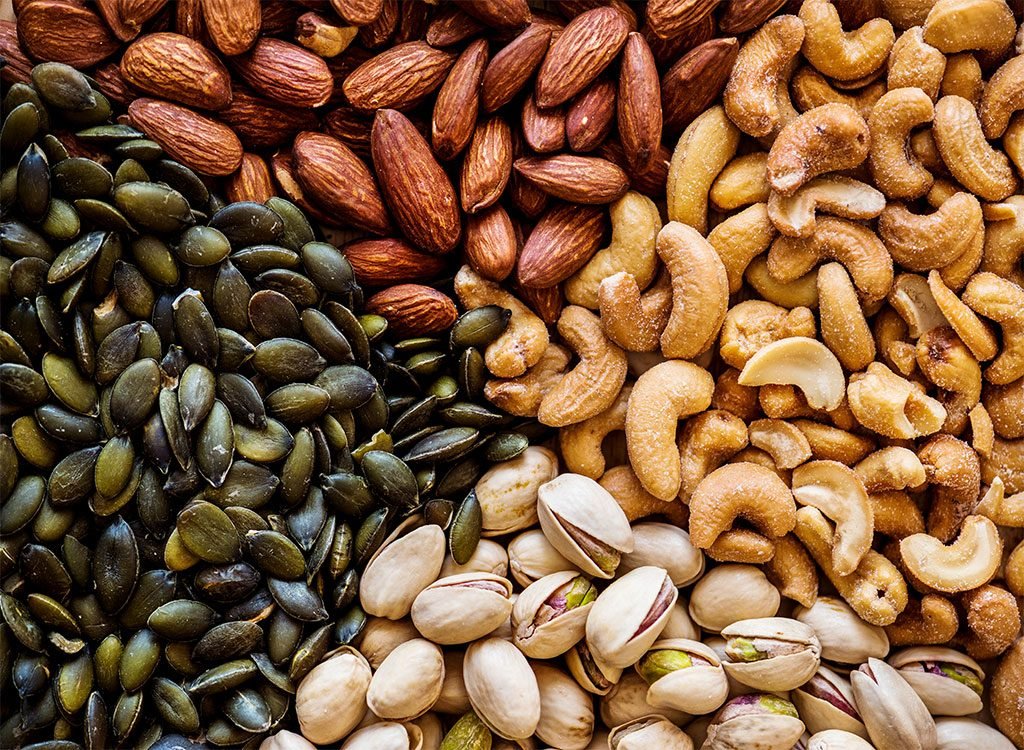
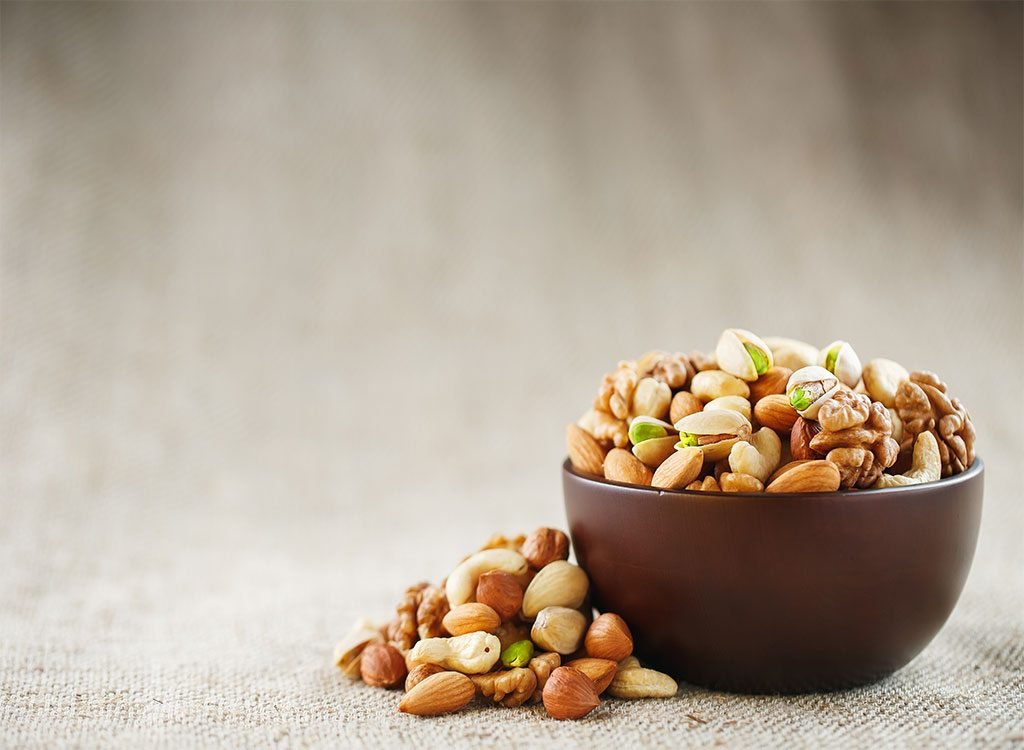
nutsseeds

Include Healthy Fats

• Nuts, seeds

Categories
Blog

Nutritional Recommendations for the Monsoon Season:

 Monsoon Season

Introduction:

Monsoon season, with its increased humidity and cooler temperatures, often brings with it an increased risk of infections and digestive issues. To maintain good health during this time, it’s important to focus on foods that boost immunity, improve digestion, and are easy to digest. Here are some nutritional recommendations for the monsoon season:

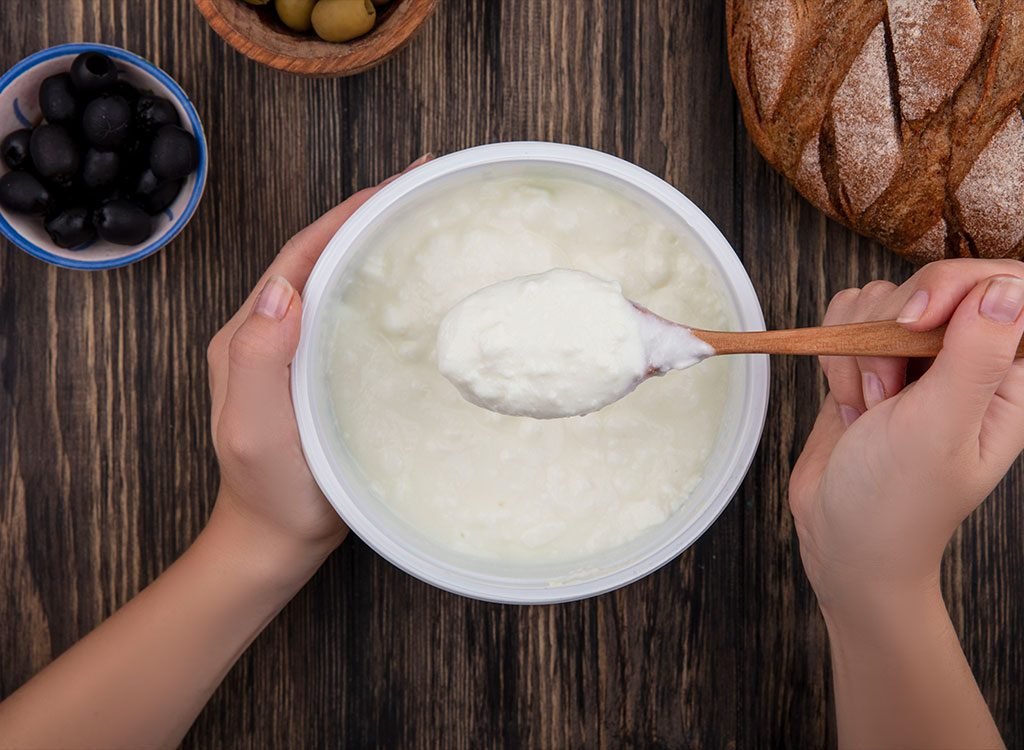
yoghurt

Probiotic Foods:

Yogurt, buttermilk, and other probiotic-rich foods can help maintain a healthy gut flora, which is crucial for good digestion and immunity.

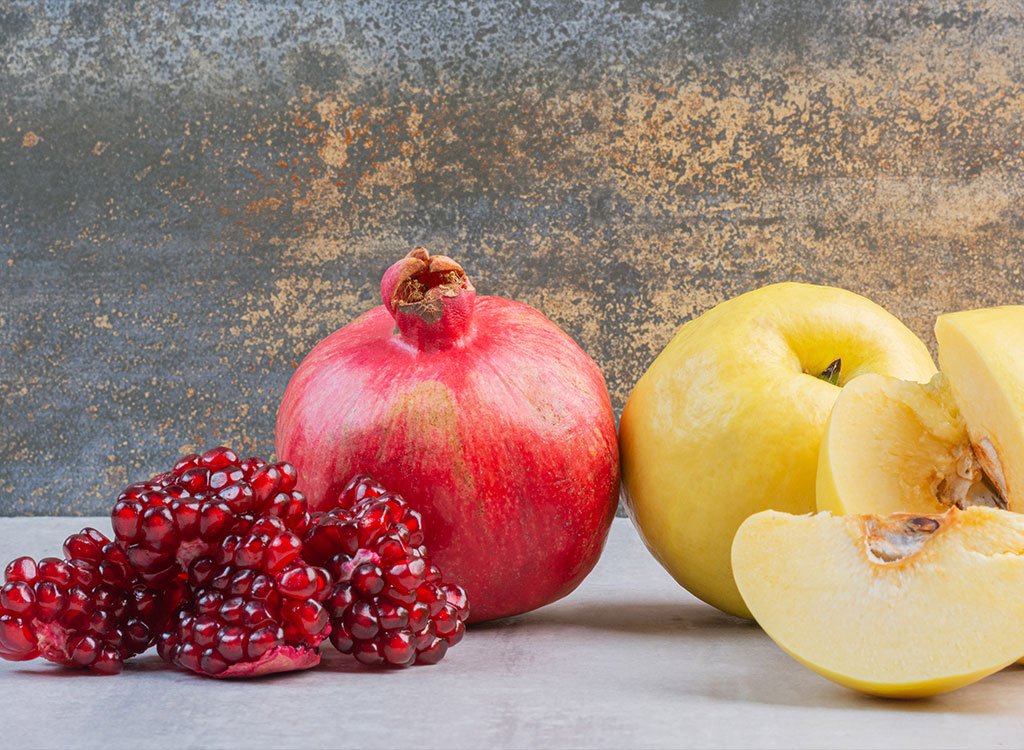
Seasonal Fruits:

Include fruits like pomegranates, apples, and pears. These are rich in vitamins and antioxidants, helping to boost the immune system.

green-leaf

Vegetables:

Opt for easily digestible vegetables such as gourds (bottle gourd, ridge gourd), pumpkin, and leafy greens like spinach and fenugreek. Ensure they are thoroughly washed and cooked to avoid contamination.

brown-rice

Whole Grains:

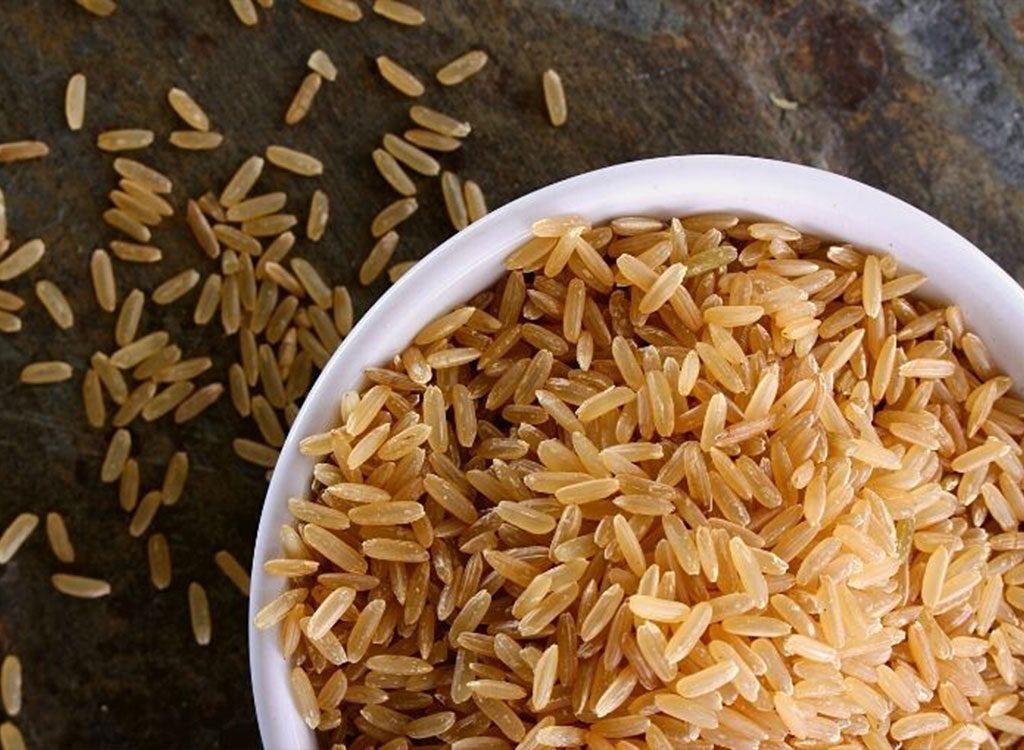
Brown rice, oats, and quinoa are excellent choices as they are high in fiber and aid digestion.

turmeric

Herbs and Spices:

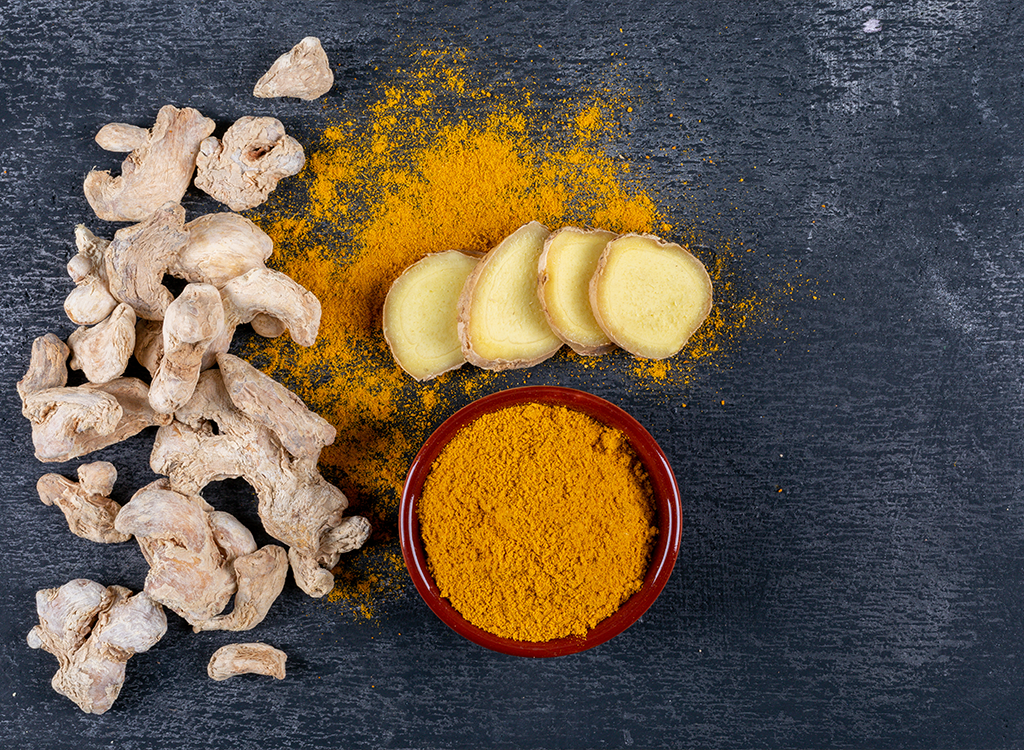
Incorporate ginger, turmeric, garlic, and black pepper into your meals. These have anti-inflammatory and antimicrobial properties that can help ward off infections.

soup

Soups and Stews:

Warm, light, and nutritious soups and stews can be soothing and easy on the digestive system. Add a variety of vegetables, lentils, and lean proteins.

nuts

Nuts and Seeds:

Almonds, walnuts, flaxseeds, and chia seeds are good sources of healthy fats, proteins, and micronutrients that support overall health.

boiling-water

Hydration:

Drink plenty of clean, boiled water to stay hydrated and avoid waterborne diseases. Herbal teas such as ginger or mint tea can also be beneficial.

avoid-street-food

Avoid Street Food:

Street food is often contaminated during the monsoon. It’s best to eat home-cooked meals to minimize the risk of gastrointestinal infections.

Conclusion:

These foods can help keep your immune system strong, improve digestion, and maintain overall health during the monsoon season.

Categories
Blog

“Nourishing Your Body Through Winter: A Culinary Guide”

“Nourishing Your Body Through Winter: A Culinary Guide”

Introduction:

Embrace the winter season by fueling your body with wholesome, hearty foods that not only provide warmth but also support your overall well-being. In this blog, we’ll explore a variety of winter foods that are not only delicious but also packed with nutrients to keep you healthy during the colder months.

soups

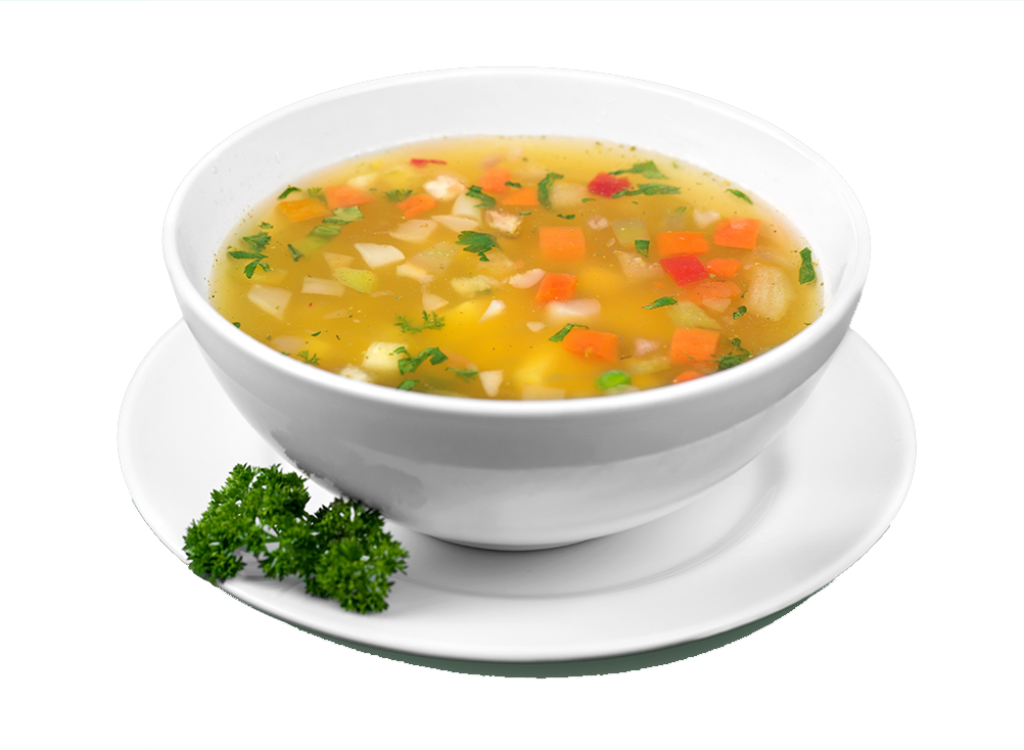
Soul-Warming Soups and Stews:

Dive into the world of comforting soups and stews. Explore recipes featuring seasonal vegetables, lean proteins, and nourishing broths. From classic chicken noodle soup to hearty lentil stew, these dishes are perfect for keeping you cozy and satisfied.

Power-Packed Grains:

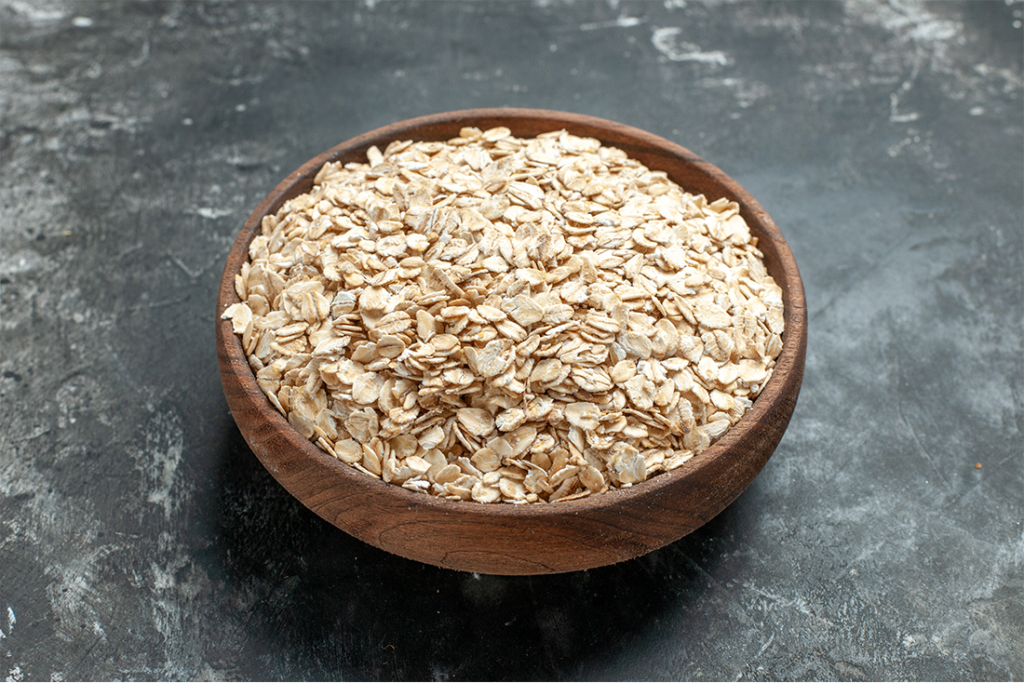
Incorporate hearty grains into your winter meals. Quinoa, brown rice, and oats are excellent choices that provide essential nutrients and a sustained release of energy. Discover creative ways to include these grains in your breakfasts, lunches, and dinners.

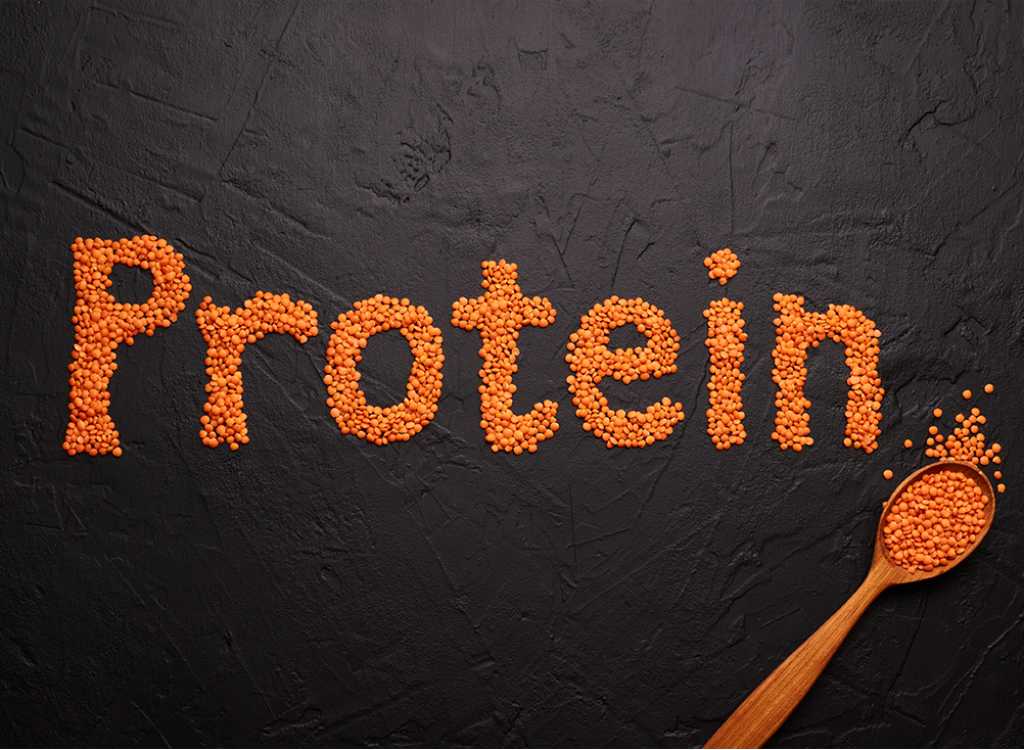
protein

Lean Proteins for Sustained Energy:

Opt for lean protein sources like poultry, fish, and legumes. These not only keep you feeling full but also provide the necessary building blocks for a healthy body. Explore recipes that highlight the warmth of winter flavors combined with high-quality proteins.

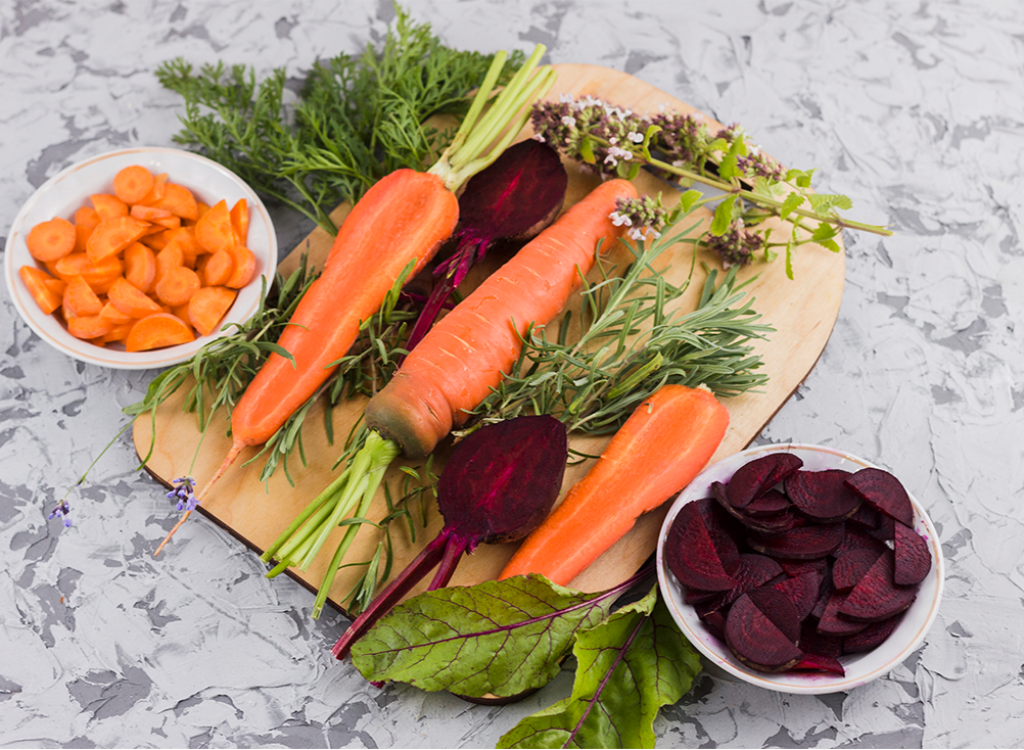
winter-vegetable

Vitamin-Rich Winter Vegetables:

Explore the vibrant world of winter vegetables. From roasted Brussels sprouts to sweet potatoes, these colorful veggies are not only rich in vitamins but also add a burst of flavor to your meals. Learn how to make them the star of your winter dinner plate.

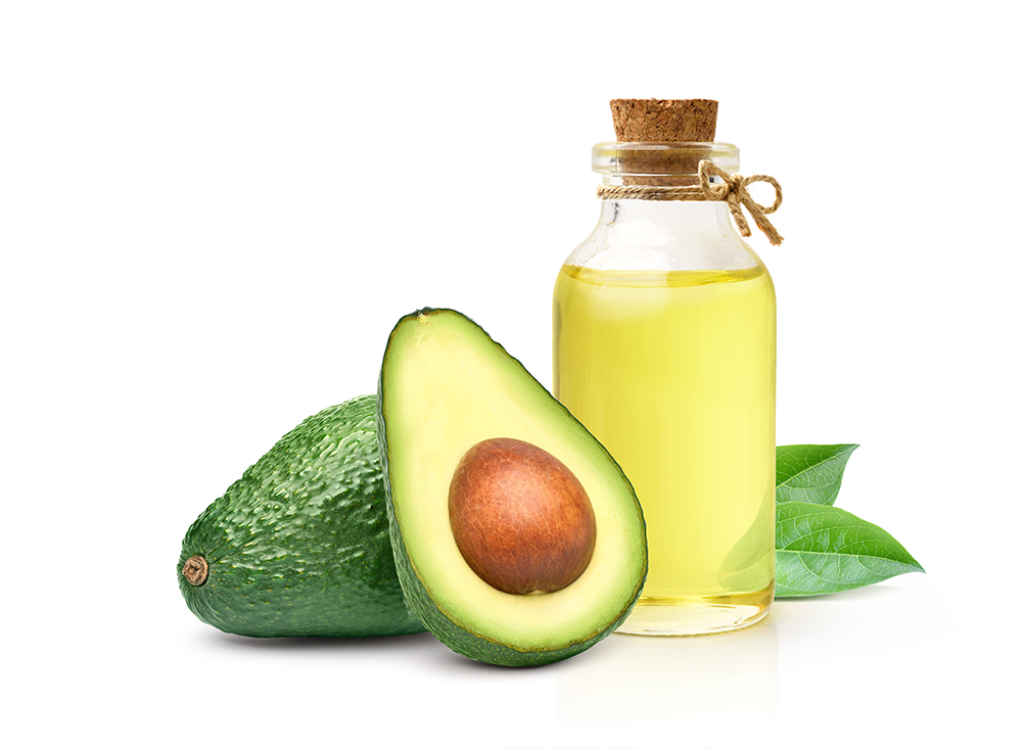
fats

Healthy Fats for Balance:

Don’t shy away from fats—opt for healthy sources like avocados, nuts, and olive oil. These fats are essential for maintaining energy levels and supporting overall health. Discover recipes that strike the perfect balance between flavor and nutrition.

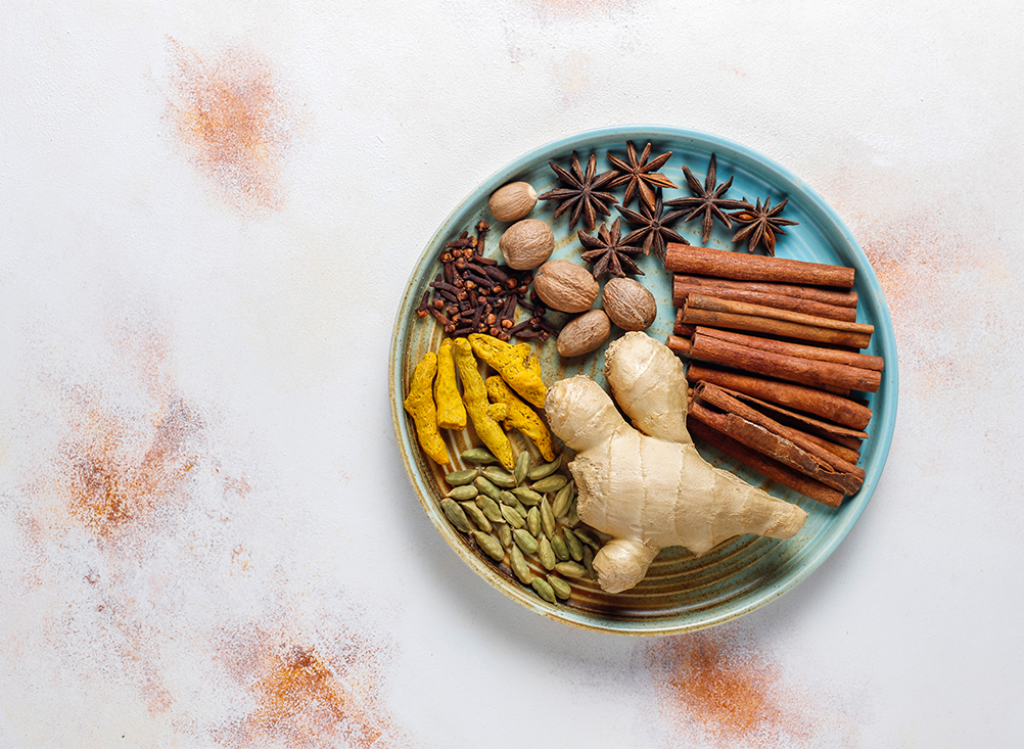
spices

Warming Spices with Health Benefits:

Spice up your winter dishes with ginger, cinnamon, turmeric, and more. Not only do these spices add depth to your meals, but they also come with potential health benefits, such as anti-inflammatory properties. Explore recipes that make the most of these winter-friendly spices.

Conclusion:

As winter settles in, let your meals become a source of warmth and well-being. Experiment with these winter food ideas to create a menu that not only satisfies your taste buds but also nourishes your body, ensuring you stay healthy and energized throughout the season. Happy winter eating!

Categories
Blog

“Celebrating Diwali with Health and Happiness”

Introduction:

Diwali, the festival of lights, is a time for joy, togetherness, and delicious food. While it’s easy to get caught up in the festivities and indulge in sweets and deep-fried treats, it’s also essential to prioritize your health during this festive season. In this blog, we’ll explore ways to celebrate Diwali in a healthier manner without compromising on the fun and flavor.

1. Mindful Eating:

• Opt for homemade sweets and snacks made with less sugar and healthier ingredients.

• Practice portion control to avoid overindulging in high-calorie items.

• Include fruits, nuts, and low-fat dairy in your Diwali diet.

2. Stay Hydrated:

• Amid the festivities, it’s easy to forget to drink water. Make sure to stay hydrated throughout the day.

3. Active Celebrations:

• Participate in traditional Diwali activities like dancing and playing games to stay active.

• Consider going for a family walk after a big meal to aid digestion.

4. Healthy Recipe Swaps:

• Modify traditional recipes by using healthier cooking methods and ingredients.

• Bake or air-fry snacks instead of deep frying them.

• Use whole wheat flour or millet flour for making rotis or sweets.

5. Avoid Excessive Sweets:

• It’s customary to exchange sweets, but you can limit the number of sweets you accept and share with others.

6. Prioritize Mental Health:

• Diwali can be a stressful time for some. Take time to relax, meditate, and manage stress.

• Connect with loved ones and share your feelings to maintain a positive mental outlook.

7. Firework Safety:

• If you plan to celebrate with fireworks, follow safety guidelines to prevent accidents and injuries.

8. Eco-Friendly Diwali:

• Opt for eco-friendly decorations and use diyas (clay lamps) instead of electric lights.

• Be mindful of the environment by reducing waste and pollution during the festival.

9. Gift Thoughtfully:

• Instead of gifting unhealthy sweets, consider presents like dried fruits, nuts, or potted plants.

Conclusion:

Celebrating Diwali in a healthy and mindful way is not only good for your well-being but also sets a positive example for your family and friends. Embrace the joy of the festival while making choices that promote a happier and healthier you. May your Diwali be filled with light, love, and well-being.

Categories
Blog

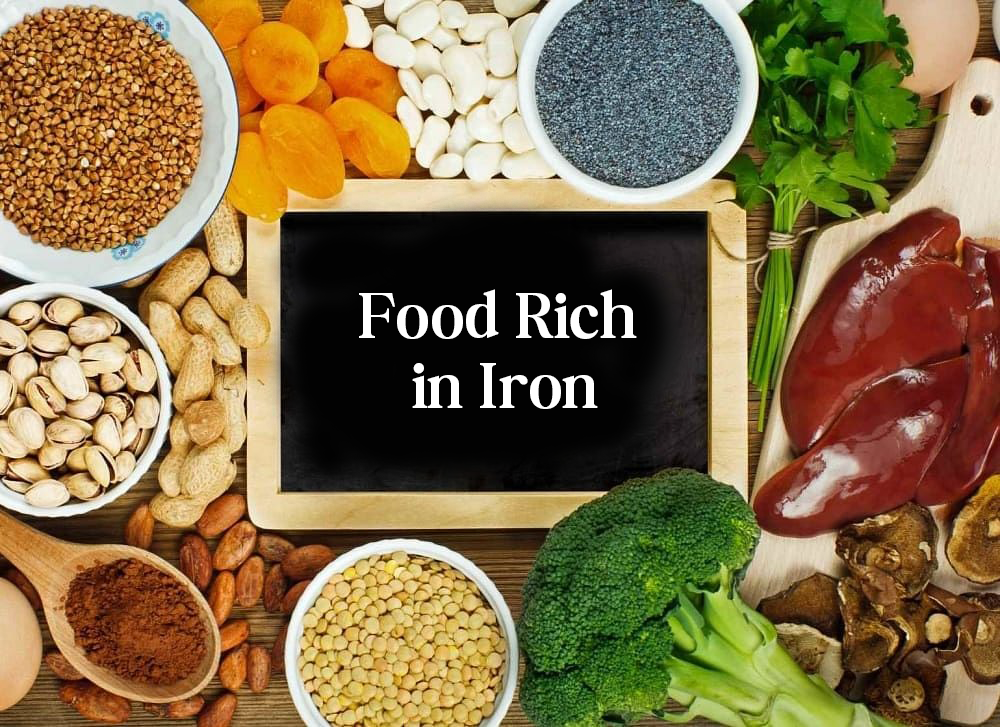
Food Rich in Iron

Iron, a Micronutrient in Our Body, Is as Important as the Macronutrients. Iron Plays an Important Role in Our Body That Carries Oxygen from Your Lungs to All Parts of the Body.

If Iron Is Lacking in Your Diet, It Causes Anemia, Dizziness, Headache, and Fatigue. On an Average, We Are Recommended to Consume 18mg Every Day, but the Requirement Also Varies from Age Group and Gender. For Example, Men Should Consume 18mg/Day, Women 12mg/Day, and Pregnant Women Need 35mg/Day.

The Food You Consume Can Provide You with Two Types of Iron – Heme and Non-Heme. Meat, Poultry, and Fish Are Some Good Sources of Heme Iron. It Easily Gets Absorbed in Your Body and Increases the Levels. On the Other Hand, Non-Heme Iron Comes from Plant-Based Foods Such as Nuts, Vegetables, and Fruits. Although the Absorption of This Variant Is a Little More Difficult, Consuming Vitamin C-Rich Foods Helps with That.

Iron-Rich Fruits:

Dates: Each date contains 4.79mg of our daily iron requirement. Besides being an iron-rich food, it's an amazing source of antioxidants.

Prunes: Dried prunes are packed with vitamins and minerals. A 100g serving of prunes contains 3.2mg of iron. Include these foods in your daily meals to get the required iron.

Green Leafy Vegetables

Add kale, spinach, and Swiss chard to your diet. For a serving, you can get anywhere between 2.5mg-6.4mg of iron, which accounts for 14%-36% of your daily requirement. Make sure that you always consume them with a good fat like olive oil, allowing the body to absorb it better.

Iron-Rich Pumpkin Seeds

A 28g serving of pumpkin seeds contains 4.2mg of the mineral. They are a good source of vitamin K, zinc, and manganese.

Dark Chocolate

Everyone likes chocolates, but eating them in the right quantity is good. A single serving of chocolate has almost 19% of your daily iron requirement. At the same time, you get magnesium, copper, and prebiotic fiber, which is also great for health. It reduces the risk of stroke and heart attack and helps keep cholesterol levels low.

Foods Rich in Legumes

In 100g of chickpeas, 6.2mg of iron is provided. Chickpeas are a good source of protein, fiber, B-complex vitamins, and calcium. Consumption of legumes may protect us from heart diseases, diabetes, high blood pressure, and inflammation.

Categories
Blog

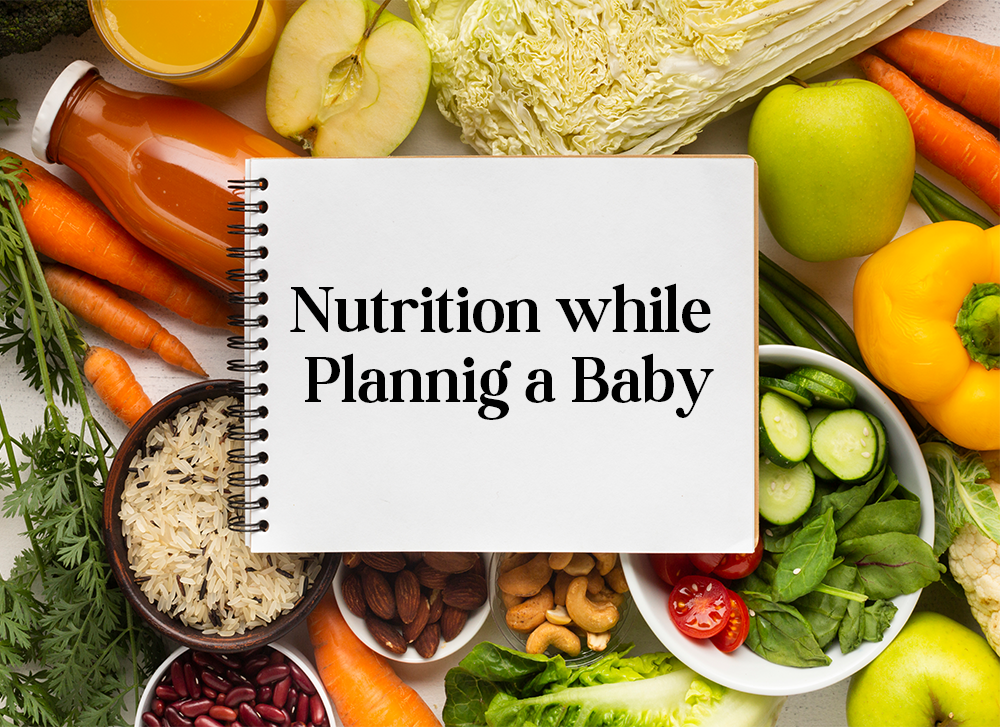
Importance of nutrition while planning a baby

Nutrition plays a vital role in planning for a baby, both before conception and throughout pregnancy. Here’s why it’s crucial for the health and development of the baby:

  1. Fetal Development: Proper nutrition is essential for the healthy development of the baby’s organs, nervous system, and overall growth during pregnancy.
  2. Preconception Health: For both partners, a balanced diet and adequate nutrients are crucial even before pregnancy. Nutrient deficiencies can affect fertility and the health of the embryo.
  3. Folate (Folic Acid): Adequate folate intake before and during pregnancy helps prevent neural tube defects in the developing baby.
  4. Iron: Iron is important to prevent anemia in the mother and support the baby’s growth and development.
  5. Calcium: Calcium is vital for the development of the baby’s bones, teeth, and heart.
  6. Protein: Protein is essential for the formation of the baby’s cells and tissues.
  7. Omega-3 Fatty Acids: These support the development of the baby’s brain and eyes.
  8. Vitamins and Minerals: Various vitamins (like A, C, and D) and minerals (such as calcium, magnesium, and zinc) are crucial for fetal development and the mother’s health.

It’s important to consult with a healthcare provider or a registered nutritionist when planning for a baby to ensure that you are meeting your specific nutritional needs. We can provide personalized guidance and help you make the necessary dietary adjustments to support a healthy pregnancy and baby.

Categories
Blog

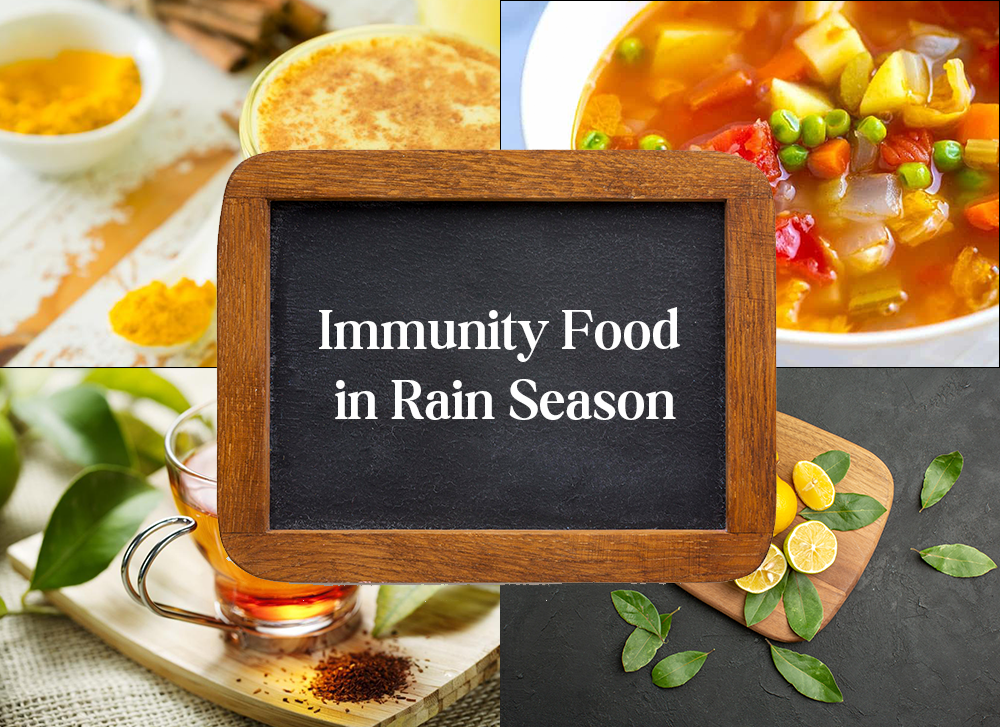
Food to Boost Immunity in Rain.

Food to Boost Immunity in Rain.

Monsoon season is here, we all are aware of falling ill as soon as it starts raining. Ever wonder why does this happen only during the monsoon season? Here is an answer: During the rainy season, the white blood cells are weakened due to the fluctuation of temperature, thus lowering our immunity. High moisture content in the air leads to the growth of harmful bacteria.

During this season, many of them face intestinal functions as well as the digestive system becomes weak, resulting in low metabolism, gastrointestinal problems, viral fever, cold, and cough.

Monsoon is the season of numerous fruits and vegetables, which are immunity enhancers. The vitamins and antioxidants in these food products fight the free radicals and help improve immunity.

There are numerous ways to strengthen your immunity by adding the right food to your meal:

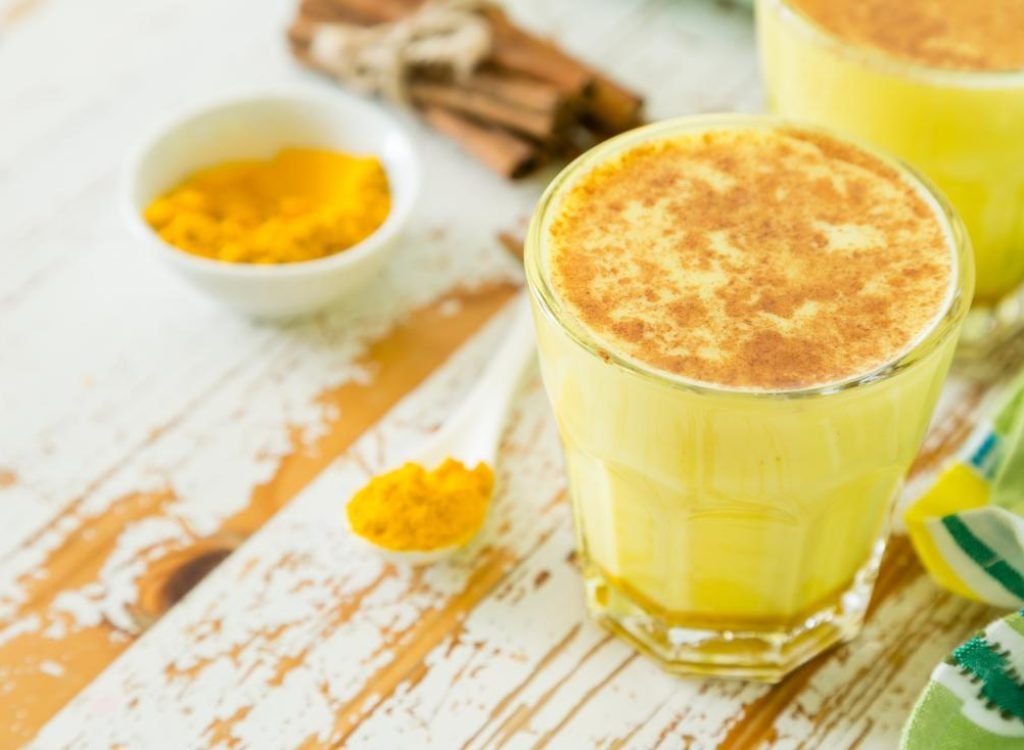
golden-milk-turmeric-tea-in-glass-on-wooden-table

Turmeric Milk

A Common kitchen ingredient, turmeric is a miracle herb that should be consumed in any form during this season. It is rich in anti-inflammatory properties; turmeric improves your immune system and keeps infections at bay. Drink a glass of warm turmeric milk every night before hitting the bed to stay fit during the monsoon season.

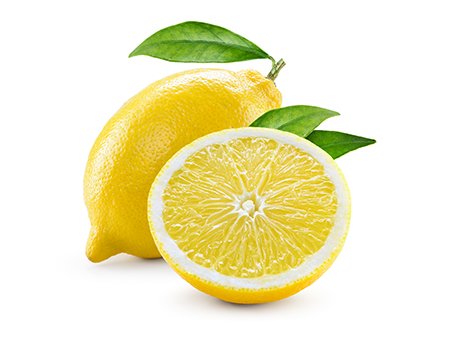
Lemon

Lemon is a great source of vitamin C and strengthens our immunity. Vitamin C helps fight infection, eases digestion, and cares for bone health. Squeezing some on your food or salad is a good way to amp up your nutrition and immunity.

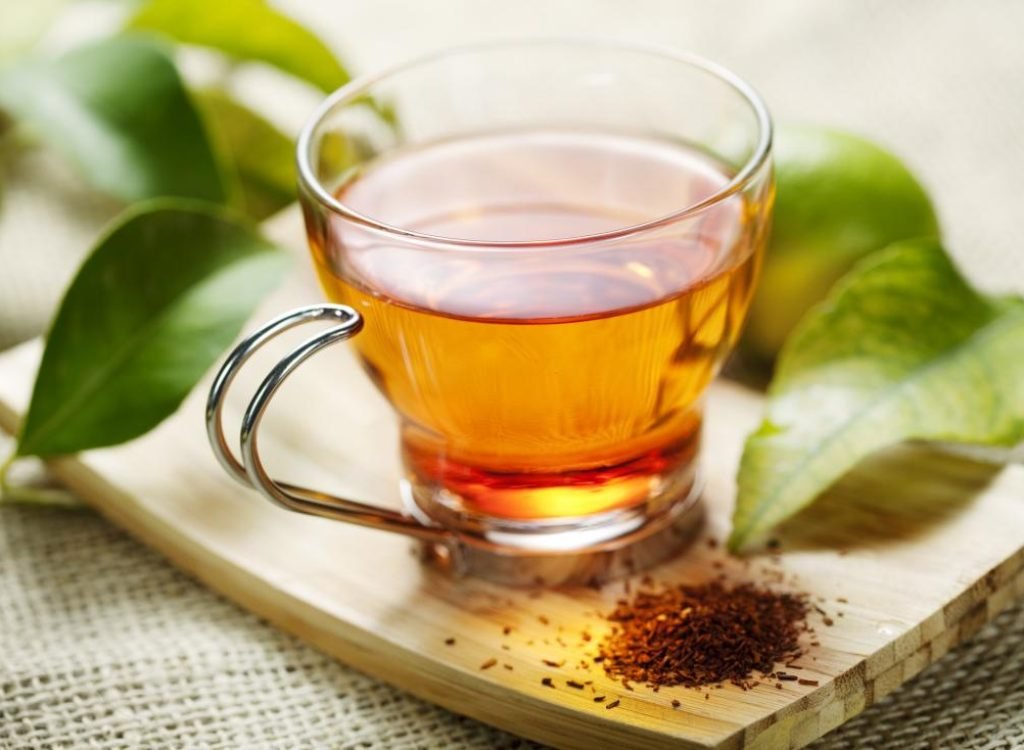
heerbal tea

Herbal Tea

Herbal Teas such as Tulsi tea and ginger tea are best for the monsoon season. Drinking herbal tea will keep you warm and safe from cold and flu while boosting your immunity. Add a few drops of honey, known for its antibacterial properties, instead of sugar or any other substitute for sugar.

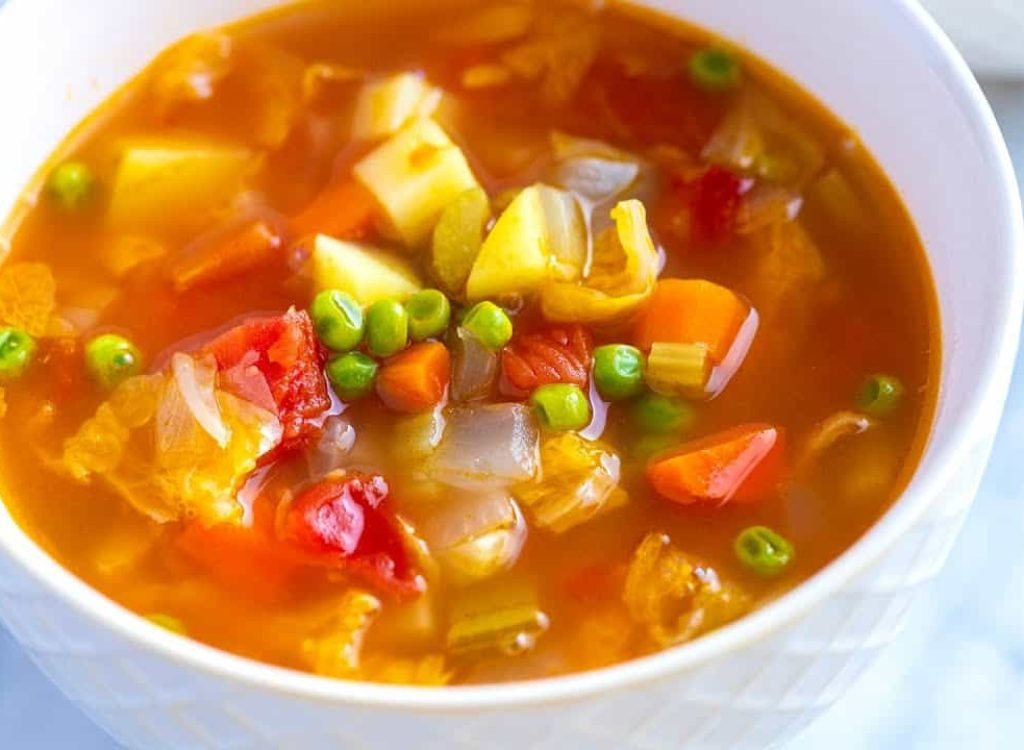
soup

Soup

Instead of munching on junk food, unhealthy food, or street food, try a bowl of steaming hot soup if you are hungry. Filling and packed with nutrients, soups are easy to digest and will keep you full for some time.

Categories
Blog

Food Items to Keep pH Balance of Body

Food Items to Keep pH Balance of Body

Your body’s pH balance is the level of acidic and basic compounds in your blood that allows the body to function best. The pH ranges between 0 to 14. When PH range is in between 0-6 , body is in acidic state. The PH range is in between 8-14 , body is in alkaline state. When it is 7 , body is in neutral state.

CAUSES OF PH IN THE BODY

* Certain medication

 * Low body sugar

*  Excessive exercise

* Heavy alcohol use

* Lack of oxygen

* Dehydration

10 WAYS TO ALKALIZE YOUR BODY & IMPROVE  YOUR  IMMUNITY

*Drink plenty of water

* Planning nutritious meals & snacks

*Trade coffee for herbal or green tea

*Replace sugar with stevia , coconut sugar or small amounts of honey

*Add salad & greens  to every meal

*Try oil pulling

*Chew your food 20 to 30 times

* Exercise regularly to actively move acids out of the  body

*Take good sleep of 8 hours from 11pm to 6pm

*De-stress yourself by meditation , music etc