
Diet

+91 7030624994

info@dietspotlight.in

+91 7030624994 , +91 9822194141

info@dietspotlight.in

Categories
Blog

Why Mango is Called the King of Fruits – And How to Enjoy It Without Gaining Weight

When summer arrives, one fruit steals the spotlight — mango. Loved for its rich sweetness, vibrant color, and irresistible aroma, mango has earned the title “King of Fruits” across many cultures. But while it’s delicious and nutritious, many people worry about weight gain.

Let’s explore why mango holds the royal title and how you can enjoy it in moderation without adding extra kilos.

Why Is Mango Called the King of Fruits?

1. Royal Taste & Texture


Mango offers a perfect balance of sweetness and tanginess with a smooth, juicy texture. Popular varieties like Alphonso, Kesar, and Dasheri are prized for their rich flavor and fragrance.

2. Nutritional Powerhouse


Mango is packed with:
• Vitamin A (good for eyesight)
• Vitamin C (boosts immunity)
• Fiber (supports digestion)
• Antioxidants (fight inflammation)

It not only satisfies your sweet cravings but also nourishes your body.

3. Cultural & Historical Importance


In countries like India, mango is known as the national fruit and symbolizes prosperity and love. It has been cultivated for over 4,000 years and holds deep traditional significance.

Does Mango Cause Weight Gain?

  • Mango itself does not directly cause weight gain. Weight gain happens when you consume more calories than your body needs.
  • One medium-sized mango contains approximately 150–200 calories. When eaten in moderation and balanced within your daily calorie intake, mango can absolutely be part of a healthy diet.

The problem arises when:

  • You eat multiple mangoes in one sitting
  • You combine mango with high-sugar desserts (like mango shakes with added sugar or ice cream)
  • You eat it late at night

How to Eat Mango in Moderation (Without Gaining Weight)

✔ Stick to Portion Control

  • 1 cup (about 150 grams) of chopped mango per day is ideal.
  • Avoid overeating just because it’s seasonal.

✔ Eat Whole, Not Juiced

Whole mango contains fiber that helps slow sugar absorption. Mango juice removes fiber and increases sugar load.

✔ Avoid Adding Extra Sugar

Skip sweetened mango milkshakes or mango desserts with added sugar.

✔ Pair It Smartly

Combine mango with:

  • Greek yogurt
  • Chia seeds
  • Nuts
  • Cottage cheese

This balances blood sugar and keeps you full longer.

Best Time to Eat Mango

🌞 Morning (Best Time)

Eating mango in the morning or as a mid-morning snack is ideal. Your metabolism is active, and your body can efficiently use the natural sugars for energy.

🕒 Afternoon (Good Option)

Have it as a post-lunch sweet treat instead of processed desserts.

❌ Avoid Late Night

Eating mango at night may cause bloating or unnecessary calorie storage if you’re inactive.

Who Should Be Careful

  • People with diabetes (monitor portion size carefully)
  • Those on weight-loss diets (track calories)
  • Individuals with sensitive digestion

Healthy Ways to Enjoy Mango

  • Fresh mango slices
  • Mango with curd
  • Mango smoothie (without added sugar)
  • Mango salad with mint and lime
  • Frozen mango cubes as a natural dessert

Final Thoughts

Mango is called the King of Fruits for its unmatched taste, rich nutrition, and cultural importance. The key to enjoying mango without gaining weight is simple — moderation, smart timing, and mindful pairing.

So don’t fear mango this summer. Enjoy it the right way and let the king rule your plate — not your waistline!

Stay healthy and enjoy the sweetness of summer! 🥭✨

Categories
Blog

What Foods to Add This Summer Season to Keep Your Body Healthy

Summer brings intense heat, excessive sweating, and a higher risk of dehydration. To stay healthy and energetic, your diet should include hydrating, light, and nutrient-rich foods that help cool the body and maintain electrolyte balance.

Here are the best foods to add to your summer diet:

1. Water-Rich Fruits

Fruits with high water content help prevent dehydration and keep your body cool.

🍉 Watermelon

Contains over 90% water and is rich in antioxidants like lycopene. It helps maintain hydration and supports heart health.

🥒 Cucumber

Extremely cooling and hydrating. It helps flush out toxins and improves digestion.

🍊 Oranges

Packed with Vitamin C and natural electrolytes that help prevent fatigue during hot weather.

🥭 Mango (in moderation)

Rich in vitamins A and C. Best consumed as fresh fruit or in drinks like Aam Panna to prevent heat exhaustion.

2. Curd & Probiotics

🥣 Yogurt (Curd)

A natural probiotic that improves digestion and cools the stomach.

🥛 Buttermilk (Chaas)

Light, refreshing, and excellent for hydration. It also prevents acidity and bloating.

3. Coconut & Natural Electrolytes

🥥 Coconut Water

A natural electrolyte drink that replenishes lost minerals and prevents dehydration.

4. Light & Seasonal Vegetables

🥬 Leafy Greens

Help provide essential vitamins and minerals while being easy to digest.

🥒 Bottle Gourd (Lauki)

Very cooling and light on the stomach.

🥗 Zucchini & Ridge Gourd

Hydrating and perfect for summer meals.

5. Cooling Herbs & Seeds

🌿 Mint

Helps cool the body and improve digestion.

🌱 Coriander

Supports detoxification and reduces body heat.

🌰 Soaked Chia Seeds

Rich in fiber and help maintain hydration levels.

6. Light Grains & Proteins

🍚 Brown Rice

Light and easy to digest compared to heavy meals.

🌾 Millets

Provide sustained energy without making you feel heavy.

🥗 Lentils & Sprouts

Offer plant-based protein and are easier to digest in summer.

Categories
Blog

Hair Fall in Winter: Is It Common and Nothing to Worry About?

As winter sets in, many people notice an increase in hair fall and immediately panic. The good news? Hair fall in winter is very common and, in most cases, completely normal. Understanding why it happens and how to manage it can help you protect your hair and scalp during the colder months. 

Why Does Hair Fall Increase in Winter?

Winter weather brings several changes that directly affect scalp and hair health:

1. Dry weather & low humidity

Cold air lacks moisture, which dries out the scalp. A dry scalp becomes itchy and flaky, weakening hair roots and increasing breakage.

2. Reduced blood circulation

Cold temperatures slightly reduce blood flow to the scalp, limiting the supply of oxygen and nutrients required for healthy hair growth.

3. Less sweating & product buildup

In winter, reduced sweating leads to more buildup of oil, dead skin, and styling products, which can clog hair follicles.

4. Dehydration & poor nutrition

People tend to drink less water in winter and often consume fewer fresh fruits and vegetables, leading to nutrient deficiencies that impact hair strength.

How Much Hair Fall Is Normal?

Losing 50–100 strands of hair per day is considered normal throughout the year, including winter. Seasonal shedding is temporary and usually balances out once the scalp adapts to weather changes.

Normal winter hair fall includes:
•Slight increase in hair on pillow or during washing
•No visible bald patches
•No sudden thinning of hair density
When Should You Worry?
 
Hair fall may need attention if you notice:
•Excessive shedding lasting more than 6–8 weeks
•Visible scalp or widening hair part
•Sudden thinning or hair breakage
•Accompanying symptoms like fatigue, weakness, or hormonal imbalance
 
In such cases, underlying issues like nutritional deficiencies, stress, thyroid imbalance, or inflammation may be contributing factors.
 
Winter Hair Care Tips to Reduce Hair Fall
 
You don’t need expensive treatments—simple lifestyle changes can make a big difference:
 ✔ Oil your scalp 1–2 times a week to improve circulation
✔ Use lukewarm water instead of hot water for washing
✔ Choose a mild, sulfate-free shampoo
✔ Avoid overwashing (2–3 times/week is enough)
✔ Stay hydrated even if you don’t feel thirsty
✔ Include protein, iron, zinc & omega-3 fats in your diet
Categories
Blog

5 Anti-Inflammatory Foods to Add This Winter

Winter is the season when our body naturally becomes more prone to inflammation due to colder temperatures, reduced activity, and weaker digestion. Adding the right foods can help fight inflammation, boost immunity, improve gut health, and keep your energy levels stable.


Here are 5 powerful anti-inflammatory foods you should include in your winter diet:

1. Turmeric (Haldi)

Turmeric is one of the strongest natural anti-inflammatory foods. It contains curcumin, a compound known to reduce inflammatory markers and support joint health. Benefits:

  • Reduces chronic inflammation
  • Supports immunity
  • Helps with joint pain and stiffness
  • Improves healing

  • How to add: Golden milk, turmeric water, curries, soups.

    2. Amla (Indian Gooseberry)

    Amla is rich in Vitamin C and antioxidants, making it a winter superfood for immunity and inflammation control. Benefits:

  • Fights free radicals
  • Supports gut health
  • Boosts collagen
  • Reduces oxidative stress

  • How to add: Amla juice, chutney, raw amla slice with black salt, powder in warm water.

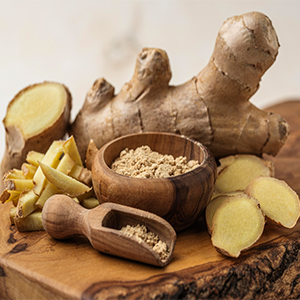
    3. Ginger

    Ginger contains gingerols, which have powerful anti-inflammatory and anti-oxidative properties. Benefits:

  • Helps with bloating & indigestion
  • Reduces muscle pain
  • Boosts metabolism
  • Supports immunity

  • How to add: Ginger tea, kadha, soups, warm water infusions, sabzi.

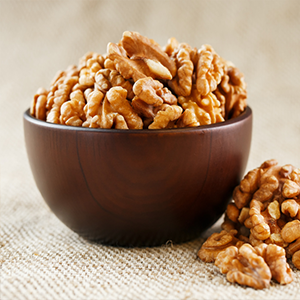
    4. Walnuts

    Walnuts are rich in omega-3 fatty acids, which help reduce systemic inflammation and support brain health. Benefits:

  • Reduces inflammation
  • Supports heart health
  • Improves skin glow
  • Keeps you full longer

  • How to add: Overnight-soaked walnuts, snack bowl, add to salads or smoothies.

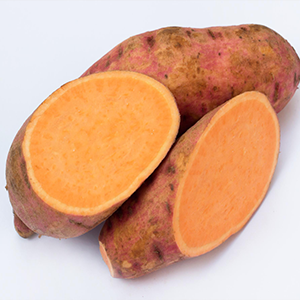
    5. Sweet Potato (Shakarkand)

    A nutrient-dense winter favourite, sweet potatoes are loaded with antioxidants, fibre, and vitamins. Benefits:

  • Improves gut health
  • Balances blood sugar
  • Reduces inflammation
  • Boosts energy levels

  • How to add: Baked sweet potato, air-fried wedges, tikkis, warm salads.

    Final Note

    Winter is the perfect time to nourish your body with warm, healing foods. Adding these 5 anti-inflammatory superfoods to your daily diet can help reduce inflammation, support digestion, boost immunity, and promote overall wellness.

    Want a personalised anti-inflammatory diet plan?
    Get in touch with Dietspotlight

    Categories
    Blog

    Dengue on the Rise This Monsoon: 5 Key Precautions and Nutrition Tips for Faster Recovery”-

    With the rains, dengue cases rise due to mosquito breeding. Quick recovery needs rest, hydration, and the right nutrition.

    Here are 5 important tips (precautions + foods):

    🛡️ Precautions

    1. Avoid mosquito bites

    Use nets, repellents, wear full-sleeved clothes.

    2. Prevent water stagnation

    Don’t let water collect in pots, buckets, coolers

    3. Rest well

    Recovery is faster with complete rest.

    4. Track platelets & hydration

    Dehydration worsens weakness.

    5. No painkillers like aspirin/ibuprofen

    Only paracetamol (as advised by doctor).

    🥗 5 Nutrition Tips for Faster Dengue Recovery

    1. Stay Hydrated 💧
    •Coconut water, ORS, lemon water, soups, vegetable broths.
    •Prevents dehydration & helps flush toxins.
    2.Boost Platelets 🍎
    •Papaya leaf juice (small amount), pomegranate, kiwi, dragon fruit, guava, wheatgrass juice.
    3.High-Protein Foods 💪
    •Moong dal, paneer, curd, milk, lentil soups, soaked almonds & walnuts.
    •Protein speeds up healing and tissue repair.
    4.Immunity-Boosting Foods 🍊
    •Amla, oranges, bell peppers, tulsi, turmeric milk.
    •Vitamin C & antioxidants fight infection.
    5.Easy-to-Digest Carbs 🍚
    •Khichdi, dal rice, daliya, oats, idli, upma.
    •Gives energy without straining digestion.

    ⚠️ Avoid: oily, spicy, fried foods, caffeine, and packaged/processed items (they burden the liver and gut).

    Categories
    Blog

    During the rainy season, pneumonia can become more common due to sudden temperature changes, high humidity, and viral/bacterial spread.

    During the rainy season, pneumonia can become more common due to sudden temperature changes, high humidity, and viral/bacterial spread. Here’s a clear guide on what to eat and how to support recovery from pneumonia with diet and lifestyle:

    Foods to Eat During Pneumonia (Especially in Rainy Season)

    These foods support lung health, immunity, and recovery:

    1. Warm & Cooked Foods

    • Soups: Moong dal soup, vegetable broth, tomato soup with garlic and turmeric.
    • Khichdi: Light moong dal or masoor dal khichdi with ajwain (carom seeds), ginger, and ghee.
    • Steamed vegetables: Bottle gourd, ridge gourd, ash gourd, zucchini—easy to digest.

    2. Protein-Rich Vegetarian Foods

    • Pulses: Moong, masoor, urad (preferably in soups or khichdi).
    • Dairy: Warm haldi milk (if tolerated), paneer (lightly cooked), curd in the day (if no cough).
    • Nuts & seeds: Soaked almonds, flaxseeds, walnuts (omega-3 helps lungs heal).

    3. Immunity Boosters

    • Ginger, turmeric, black pepper, tulsi (holy basil) – add to kadha or warm water.
    • Honey + ginger juice – 1 tsp daily helps soothe the throat and reduce cough.
    • Amla (Indian gooseberry): Vitamin C rich – have as fresh juice or powder.

    Foods to Avoid

    •  Cold foods : Ice creams, cold milk, raw salads, juices.
    • Fried and oily foods : They weaken digestion.
    • Refined sugar : Lowers immunity.
    • Heavy grains : Avoid bajra and maize (makai) temporarily; prefer rice, oats.

    Natural Remedies to Support Healing

    •  Steam inhalation: With eucalyptus oil or ajwain.
    • Turmeric milk: ½ tsp turmeric in warm milk with a pinch of black pepper.
    • Kadha: Boil tulsi, ginger, black pepper, cinnamon, mulethi (licorice) – drink 2x/day.
    • Hydration: Sip warm water frequently to loosen mucus.
    Categories
    Blog

    Summer is here, and it’s important to keep your body nourished and hydrated

    Summer is here, and it’s important to keep your body nourished and hydrated. Here are five essential nutrition tips to stay healthy this season:

    1. Stay Hydrated

    • Water is key during summer! Drink at least 8-10 glasses daily. Include coconut water, lemon water, buttermilk, and infused water for better hydration. Avoid sugary and carbonated drinks.

    2. Eat Seasonal Fruits & Vegetables

    • Summer fruits like watermelon, muskmelon, mango, berries, and oranges provide hydration and essential vitamins. Include cooling veggies like cucumber, bottle gourd, ridge gourd, and ash gourd in your diet.

    3. Light & Cooling Meals

    • Avoid heavy, oily, and spicy foods. Instead, opt for light meals with curd, buttermilk, sprouts, and salads. Choose whole grains like barley, jowar, and bajra as they help keep the body cool.

    4. Electrolyte Balance is Important

    • Sweating causes loss of electrolytes like sodium and potassium. Replenish them with coconut water, chaas (buttermilk), homemade electrolyte drinks, and fresh fruit juices.

    5. Protect Gut Health

    • Hot weather can cause digestive issues. Include probiotics like curd, homemade yogurt, and fermented foods to support gut health. Avoid excessive caffeine and processed foods.

    Categories
    Blog

    Autoimmune diseases and their impact on health

    Autoimmune diseases occur when the immune system mistakenly attacks the body’s own cells, leading to chronic inflammation and tissue damage. There are over 80 known autoimmune diseases, each affecting different organs and systems.

    Common Autoimmune Diseases & Their Impact

    1. Rheumatoid Arthritis (RA)

    • Causes joint inflammation, pain, and deformities. Chronic inflammation can also affect the heart, lungs, and blood vessels

    2.Hashimoto’s Thyroiditis

    • Leads to hypothyroidism, causing fatigue, weight gain, and depression.

    3.Graves’ Disease

    • Causes hyperthyroidism, leading to rapid heartbeat, weight loss, and anxiety.

    4. Type 1 Diabetes

    • Destroys insulin-producing pancreatic cells, leading to high blood sugar and potential complications like kidney disease and nerve damage.

    5.Lupus (SLE)

    • Affects multiple organs, causing fatigue, joint pain, skin rashes, and kidney problems.

    6.Multiple Sclerosis (MS)

    • Attacks the nervous system, leading to muscle weakness, coordination issues, and cognitive problems..

    7. Psoriasis & Psoriatic Arthritis

    • Causes skin plaques and joint pain due to immune-driven inflammation.

    Celiac Disease – A reaction to gluten damaging the small intestine, leading to digestive issues, malabsorption, and fatigue.

    Categories
    Blog

    This wedding season , Maintain your weight with these few tips

    Wedding season can be a real challenge when you’re trying to maintain your weight, but with a few smart strategies, you can enjoy the celebrations without derailing your progress. Here’s how you can stay on track: 

    1. Plan Ahead

    • Don’t skip meals before the event thinking you’ll “save calories.” It often leads to overeating later. Have a light, balanced meal with protein and fiber before heading out.
    • Hydrate well throughout the day; sometimes thirst is mistaken for hunger.

    2.Be Smart at the Buffet

    • Fill half your plate with veggies or salads (without heavy dressings), one-quarter with protein (like paneer, legumes), and one-quarter with carbs (like rice or roti).
    • Avoid deep-fried snacks like samosas, pakoras, and fried puris. Opt for tandoori or grilled items instead. .
    • Go easy on creamy gravies and gravitate toward tomato-based or dry preparations.

    3.Control Portion Sizes

    • Use a small plate if possible—it helps control portions.
    • Eat slowly and mindfully. It takes about 20 minutes for your brain to register that you’re full.

    4. Watch Out for Hidden Calories

    • Limit sweets: Weddings are full of tempting desserts. If you want to indulge, share a dessert or take just a small portion.
    • Be mindful of beverages: Sugary drinks, cocktails, and sodas can add a lot of empty calories. Stick to water, sparkling water with lemon, or limit yourself to one drink if you’re consuming alcohol.

    5.Stay Active

    • Dance it out! Weddings are perfect for burning calories on the dance floor.

    6.Prioritize Sleep & Recovery

    • Late-night events can mess with your routine. Try to get enough sleep and hydrate well the next day to avoid bloating and fatigue.

    7. Balance is Key

    • Don’t deprive yourself completely—it’s okay to indulge a little. The key is to balance indulgences with healthier choices during other meals.
    • If you overeat at one event, get back on track the next day without guilt. A light, healthy meal and some physical activity will help reset.

    Enjoy the celebrations without stressing too much! You’ve got this.

    Categories
    Blog

    A New Year resolution centered on a healthy lifestyle

    A New Year resolution centered on a healthy lifestyle can help you build sustainable habits. Here’s a comprehensive resolution plan:


    1. Prioritize Balanced Nutrition

    • Eat more whole, unprocessed foods.
    • Aim for a plate balanced with vegetables, proteins, healthy fats, and whole grains.
    • Stay hydrated by drinking at least 2-3 liters of water daily.

    2. Adopt Regular Exercise

    • Commit to at least 150 minutes of moderate activity (like brisk walking or yoga) or 75 minutes of intense activity (like running or HIIT) weekly.
    • Incorporate strength training twice a week. .
    • Include stretching or mobility exercises to improve flexibility.

    3. Set Realistic Goals

    • Break down long-term goals into achievable milestones.
    • For example, aim to lose 1-2 pounds per week or gradually increase the number of push-ups you can do.

    4. Prioritize Mental Health

    • Practice mindfulness or meditation for 10 minutes daily.
    • Write a gratitude journal or focus on positive affirmations.
    • Schedule time for hobbies and relaxation.

    5. Improve Sleep Hygiene

    • Set a consistent sleep schedule with 7-9 hours of rest.
    • Create a relaxing bedtime routine: avoid screens, use dim lighting, or read a book.

    6. Manage Stress Proactively

    • Learn stress-management techniques like deep breathing, progressive muscle relaxation, or taking regular breaks during work.

    7. Reduce Harmful Habits

    • Limit sugary drinks, alcohol, and smoking.
    • Swap unhealthy snacks with nutritious alternatives like nuts, fruits, or yogurt.

    8. Stay Consistent with Health Checkups

    • Schedule routine medical checkups and track your progress.
    • Monitor weight, blood pressure, and other key health markers.

    9. Build Healthy Social Connections

    • Surround yourself with supportive, health-conscious friends or join a fitness community.
    • Plan active outings like hikes, group workouts, or cooking healthy meals together.

    10. Be Kind to Yourself

    • Accept setbacks as part of the journey.
    • Focus on progress, not perfection, and celebrate small wins.

    Example:

    “In 2025 I will commit to eating a balanced diet, exercising for 30 minutes daily, prioritizing sleep, and practicing mindfulness to improve my overall well-being.”