

When summer arrives, one fruit steals the spotlight — mango. Loved for its rich sweetness, vibrant color, and irresistible aroma, mango has earned the title “King of Fruits” across many cultures. But while it’s delicious and nutritious, many people worry about weight gain.
Let’s explore why mango holds the royal title and how you can enjoy it in moderation without adding extra kilos.
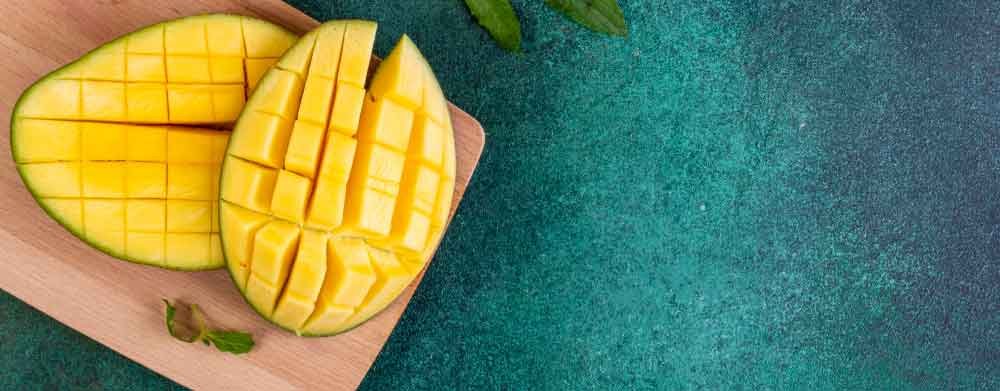
Why Is Mango Called the King of Fruits?
1. Royal Taste & Texture
Mango offers a perfect balance of sweetness and tanginess with a smooth, juicy texture. Popular varieties like Alphonso, Kesar, and Dasheri are prized for their rich flavor and fragrance.
2. Nutritional Powerhouse
Mango is packed with:
• Vitamin A (good for eyesight)
• Vitamin C (boosts immunity)
• Fiber (supports digestion)
• Antioxidants (fight inflammation)
It not only satisfies your sweet cravings but also nourishes your body.
3. Cultural & Historical Importance
In countries like India, mango is known as the national fruit and symbolizes prosperity and love. It has been cultivated for over 4,000 years and holds deep traditional significance.
Does Mango Cause Weight Gain?
- Mango itself does not directly cause weight gain. Weight gain happens when you consume more calories than your body needs.
- One medium-sized mango contains approximately 150–200 calories. When eaten in moderation and balanced within your daily calorie intake, mango can absolutely be part of a healthy diet.
The problem arises when:
- You eat multiple mangoes in one sitting
- You combine mango with high-sugar desserts (like mango shakes with added sugar or ice cream)
- You eat it late at night
How to Eat Mango in Moderation (Without Gaining Weight)
✔ Stick to Portion Control
- 1 cup (about 150 grams) of chopped mango per day is ideal.
- Avoid overeating just because it’s seasonal.
✔ Eat Whole, Not Juiced
Whole mango contains fiber that helps slow sugar absorption. Mango juice removes fiber and increases sugar load.
✔ Avoid Adding Extra Sugar
Skip sweetened mango milkshakes or mango desserts with added sugar.
✔ Pair It Smartly
Combine mango with:
- Greek yogurt
- Chia seeds
- Nuts
- Cottage cheese
This balances blood sugar and keeps you full longer.
Best Time to Eat Mango
🌞 Morning (Best Time)
Eating mango in the morning or as a mid-morning snack is ideal. Your metabolism is active, and your body can efficiently use the natural sugars for energy.
🕒 Afternoon (Good Option)
Have it as a post-lunch sweet treat instead of processed desserts.
❌ Avoid Late Night
Eating mango at night may cause bloating or unnecessary calorie storage if you’re inactive.
Who Should Be Careful
- People with diabetes (monitor portion size carefully)
- Those on weight-loss diets (track calories)
- Individuals with sensitive digestion
Healthy Ways to Enjoy Mango
- Fresh mango slices
- Mango with curd
- Mango smoothie (without added sugar)
- Mango salad with mint and lime
- Frozen mango cubes as a natural dessert
Final Thoughts
Mango is called the King of Fruits for its unmatched taste, rich nutrition, and cultural importance. The key to enjoying mango without gaining weight is simple — moderation, smart timing, and mindful pairing.
So don’t fear mango this summer. Enjoy it the right way and let the king rule your plate — not your waistline!
Stay healthy and enjoy the sweetness of summer! 🥭✨